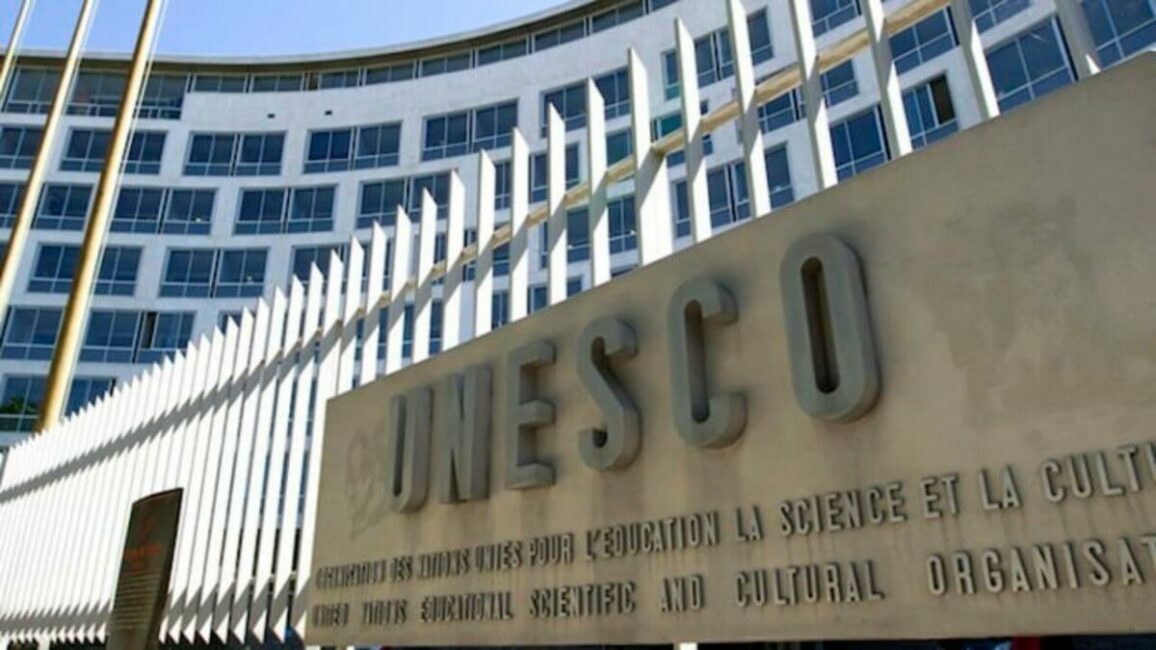
The federal government and the United Nations Educational, Scientific and Cultural Organization (UNESCO) are strengthening partnership with the establishment of the International Centre for Media and Information Literacy to curb fake news.
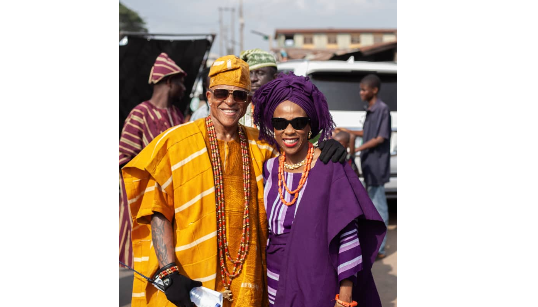
This was disclosed at the ongoing 9th Abuja International Photo Festival, by Yachat Nuhu, who noted that Media and Information Literacy must become a way of life for everyone, not just an initiative for a select group of stakeholders.
Nuhu emphasized that Media and Information Literacy (MIL) should not be viewed as a project but as a global movement aimed at empowering individuals and communities to engage critically with information in the digital age.
Yachat said the organisation has been building the capacities of various stakeholders across Nigeria, including traditional and religious leaders, community media practitioners, journalists, and policymakers, to strengthen their ability to identify and counter misinformation.
“Let me make this clear, Media and Information Literacy is not a project, it is a movement and everyone must join this movement,” She stated.
To further institutionalize this effort, the Nigerian government, with the support of UNESCO, has established a Category 2 International Centre for Media and Information Literacy, the first of its kind in Africa.
The centre will serve as an international platform for training, research, and advocacy on media literacy and responsible information use.
She explained that UNESCO’s approach prioritizes community media, noting that they are vital in reaching grassroots audiences and curbing the spread of misinformation, especially ahead of the forthcoming elections.
“If you want to reach the grassroots, you must empower community media because information passes through them,” the UNESCO official said, adding that a workshop for community journalists is scheduled in the coming weeks.
UNESCO is also collaborating with youth organisations across Nigeria to build awareness and promote responsible information sharing, recognizing the influence of young people in the digital ecosystem.
The agency revealed that one of its long-term goals is to push for the adoption of a National Policy on Media and Information Literacy, which would provide a framework for coordinated action among government, civil society, and the private sector.
“When we have a national policy, we will have a collective framework that the entire nation can align with,” She said.
The representative stressed that media and information literacy goes beyond the media sector. It involves everyone including parents, teachers, security agencies, and the general public because misinformation affects all levels of society.
“We must understand the power of what we are working with. A single photograph can tell powerful stories and that is why we must all be responsible communicators,” Yachat said.
She therefore called on journalists, creators, and citizens alike to use their platforms to promote truth, accuracy, and critical thinking in information sharing.
“Media and Information Literacy is not a project; it is a movement, one that requires everyone’s participation to build an informed and resilient society,” the official concluded.