
Ex-Central Bank Chief Says Digital Assets Shaped Brazil’s Financial Revolution
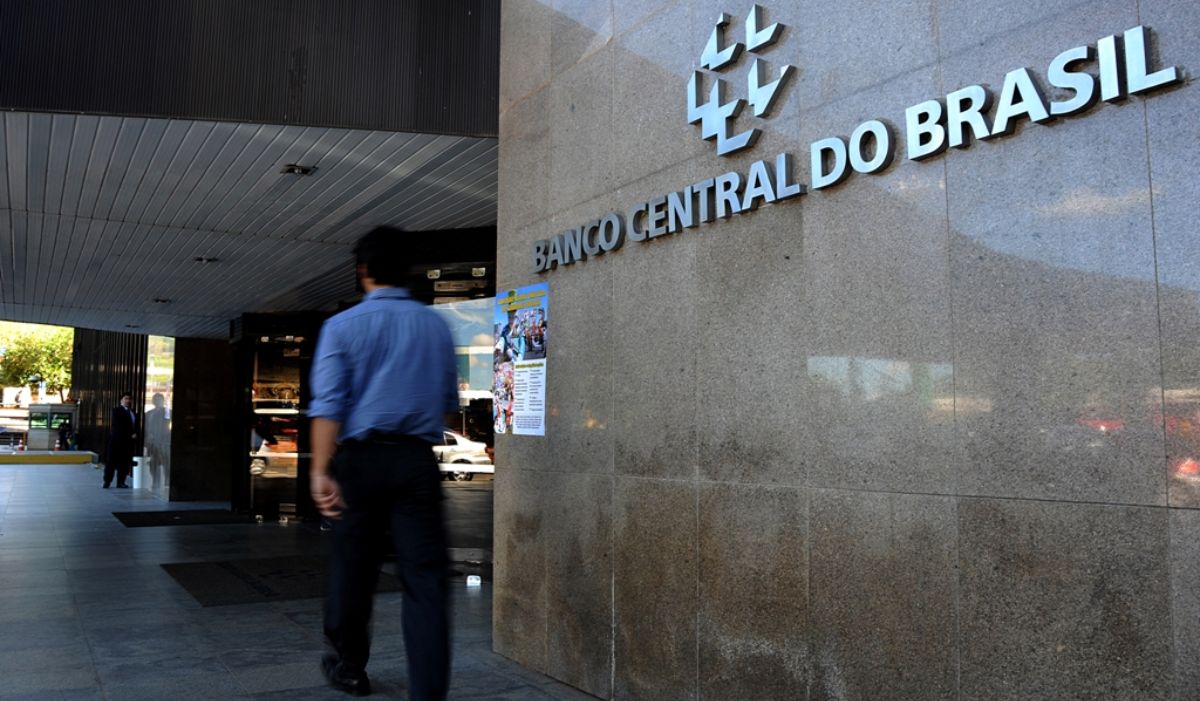
Former Central Bank of Brazil president Roberto Campos Neto has credited cryptocurrencies for shaping Brazil’s groundbreaking financial technologies, including Pix and Drex. Speaking at an event hosted by the São Paulo Stock Exchange (B3) on October 6, Campos Neto explained that the design principles of digital assets played a key role in how the Central Bank approached the creation of efficient, inclusive, and automated payment systems.
Campos Neto noted that concepts central to cryptocurrencies—such as transaction speed, cost-effectiveness, and transparency—influenced the foundation of Pix, Brazil’s instant payments platform launched in 2020. The system enables real-time money transfers via mobile devices or online banking applications, operating around the clock and free for individuals. Since its introduction, Pix has become a major pillar of Brazil’s financial landscape, enabling millions of daily transactions and significantly advancing digital financial inclusion.
Its widespread adoption has also sparked international attention. In August, former U.S. President Donald Trump called Pix a “threat” to private financial institutions, a remark that drew sharp rebuttals from Brazil’s fintech and banking sectors. They defended the system as a model of innovation that enhances accessibility and efficiency across the nation’s economy.
Campos Neto further explained that Drex—the Central Bank’s upcoming digital currency—will maintain a centralized structure but will be informed by similar technological principles found in blockchain systems. According to him, this hybrid approach allows Brazil to integrate the most effective elements of decentralized technologies into regulated financial frameworks. “The crypto world showed us that it’s possible to design faster and cheaper systems for transferring value,” he said.
His comments align with the Central Bank’s broader modernisation efforts, which combine Pix, Open Finance, and Drex into a unified strategy to expand financial inclusion and technological sophistication. These initiatives aim to make Brazil’s financial ecosystem more open, efficient, and responsive to users’ needs.
The remarks also come amid growing cryptocurrency adoption in Brazil. Recent data shows that the country’s total crypto transaction volume reached R$1.7 trillion in 2024—more than double the figure from the previous year—reflecting a sharp rise in both retail and institutional activity. By linking crypto-inspired designs to its public financial systems, Brazil is emerging as a key example of how blockchain concepts can inform state-backed innovation without embracing full decentralization.