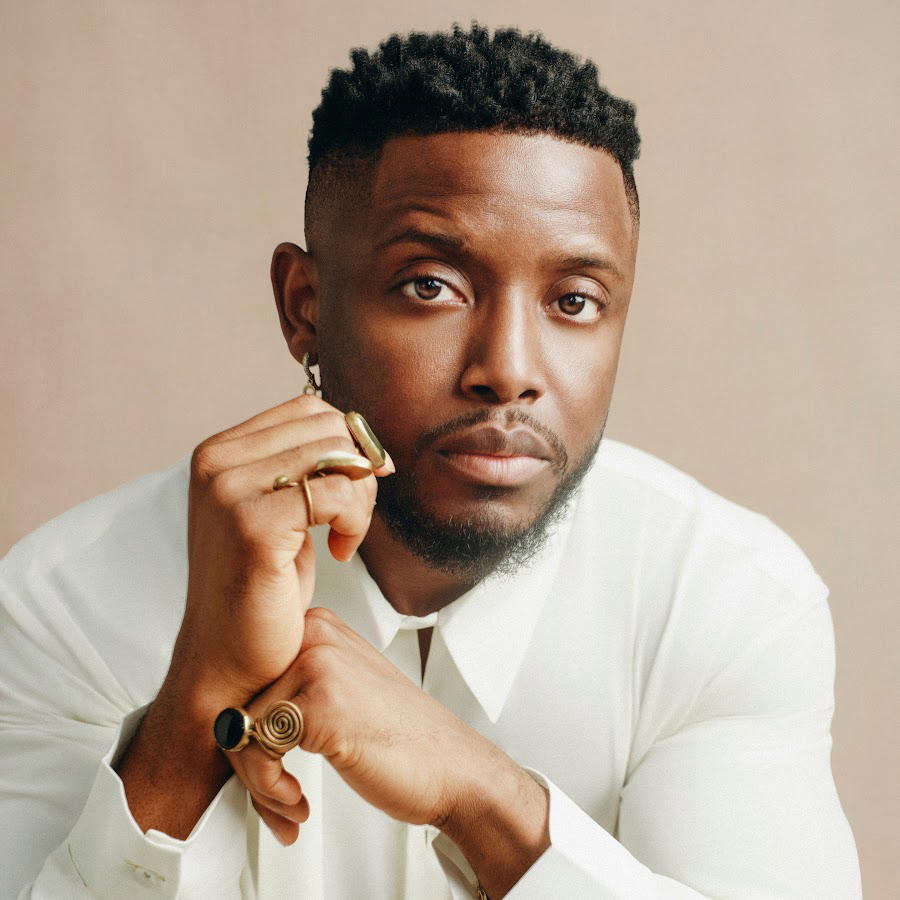
The death of Alex Ekubo at 40 has once again thrown Nollywood into mourning. But beyond the grief, it has sparked a deeper conversation about how celebrity culture, emotional connection, and public perception are reshaping the way Nigerians respond to tragedy in the entertainment industry.
Since news of his passing broke, social media has been flooded with tributes, emotional videos, throwback clips, and messages from fans and colleagues struggling to process the loss. Nollywood has faced painful deaths before, yet many say the reaction to Ekubo’s death feels unusually intense, widespread, and personal—especially among younger audiences.
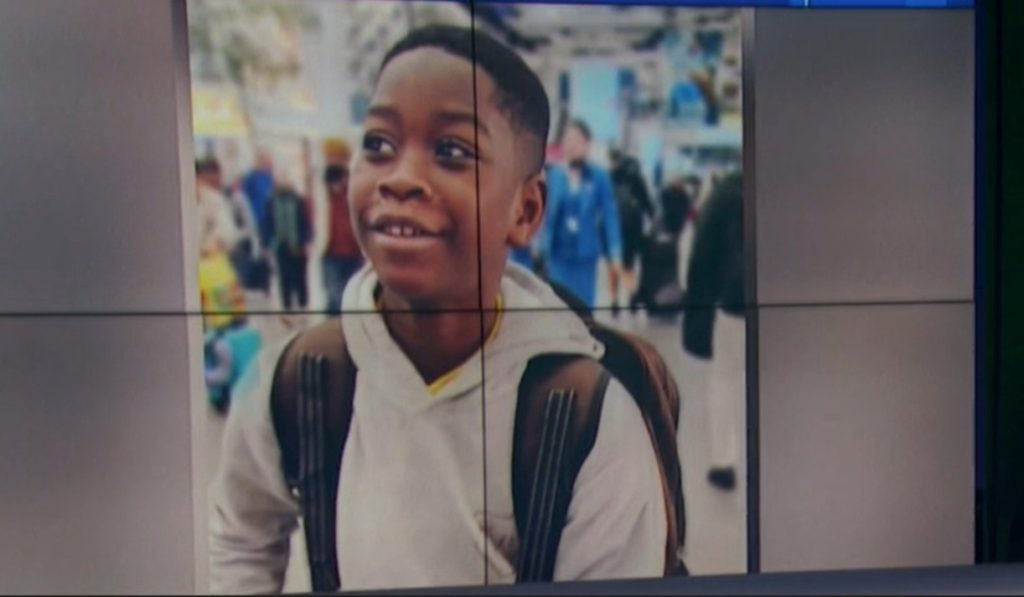
Comparisons with Junior Pope’s death in 2024 are inevitable. Junior Pope’s passing shocked the country due to the circumstances: he died in a boat accident while returning from a movie location, sparking national outrage and renewed calls for safety standards in Nollywood productions. His death generated widespread sympathy and emotional outpouring.
Ekubo’s death, however, is triggering a different response.
Where Junior Pope’s was seen as a tragic accident, Ekubo’s is being felt as the loss of a modern Nollywood figure who embodied youth, style, social media relevance, and emotional accessibility. For many younger Nigerians, he represented a generation of actors who felt closer, more relatable, and more visible online.
Entertainment analyst Dayo Sobola says this reflects how the relationship between celebrities and audiences has changed in the digital age.
“Today’s actors are no longer just film stars,” he explained. “People follow their daily lives online, engage with them directly, and build emotional familiarity. So when someone like Alex Ekubo dies, it feels personal.”
That connection explains why reactions spread so quickly. Within hours, his name dominated Nigerian social media, with many expressing disbelief that someone perceived as healthy and youthful could be gone so suddenly.
Another factor is the growing awareness of hidden struggles among public figures. Reports that Ekubo privately battled cancer without speaking about it have fueled conversations around silence, mental pressure, health awareness, and the emotional burden many celebrities carry behind the scenes.
Media commentator Blessing Ebere noted: “What’s disturbing people is not just the death itself, but the realization that someone so visible could be suffering quietly while the public knew almost nothing.”
For Nollywood, the loss carries symbolic weight. Ekubo belonged to a generation that helped modernize the industry’s urban storytelling. To many fans, his passing feels like the end of a familiar era.
The situation has also exposed deeper concerns within the sector: health awareness among actors, mental and emotional well-being, lack of private support systems, and the pressure to appear “fine” in public even during personal struggles. After Junior Pope in 2024 and now Ekubo in 2026, many are asking whether Nollywood is doing enough to protect the physical and emotional health of its talent.
Film producer Stanley Okorie argues that the industry celebrates visibility and success but often overlooks the human reality behind fame.
“People see glamour, red carpets, and social media,” he said. “But many actors are carrying pressures privately.”
Though different in circumstance, the deaths of both actors have become moments that force Nollywood to confront uncomfortable truths about health, safety, pressure, and support.
As tributes continue for Alex Ekubo, one thing is clear: this feels like more than the loss of an actor. For many Nigerians, it feels like losing a familiar face that represented a generation, a lifestyle, and a version of Nollywood they had grown emotionally attached to. That is why this loss feels heavier.