Oil Crisis May Push Global Economy Into Recession, IMF Warns
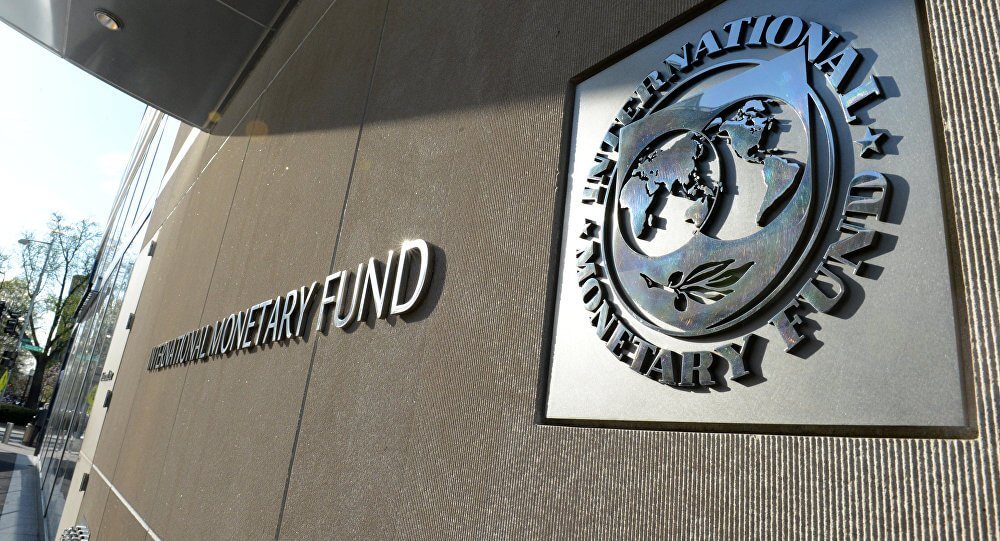
The International Monetary Fund has warned that rising global debt and persistent energy price shocks triggered by the escalating Middle East conflict could significantly weaken the global economy, with public debt projected to reach 100 per cent of global gross domestic product (GDP) by 2029.
In its latest Fiscal Monitor report released on Wednesday, the IMF said intensifying geopolitical tensions have compounded existing fiscal vulnerabilities, as higher interest rates and surging energy prices continue to strain government finances, particularly in emerging markets and developing economies.
The Fund also cautioned that the global economy faces heightened recession risks if crude oil prices remain elevated above $100 per barrel through 2027, amid ongoing supply disruptions linked to the conflict.
Director of the IMF’s Fiscal Affairs Department, Rodrigo Valdés said governments should avoid broad-based fuel subsidies despite mounting political pressure, stressing that such measures distort price signals and could worsen the global energy imbalance.
Instead, he recommended targeted and temporary cash transfers to cushion vulnerable populations without undermining necessary market adjustments.
“We don’t have oil. We don’t have energy. Energy needs to be more expensive for everybody so that the adjustment happens and consumption declines,” Valdés said, underscoring the importance of allowing prices to reflect supply realities.
He added that attempts by governments to suppress rising energy costs could have unintended global consequences, pushing prices even higher and delaying demand adjustments needed to stabilise markets.
According to the IMF, global public debt rose to 93.9 per cent of GDP in 2025, up from 92 per cent in 2024, and is expected to climb further to 100 per cent by 2029, earlier than previously projected.
The Fund noted that this would mark the highest level of government indebtedness since the aftermath of World War II.
Debt levels are projected to continue rising beyond that period, reaching 102.3 per cent of GDP by 2031, driven by structural spending pressures, weaker revenue growth, and higher borrowing costs.
Interest payments are also rising sharply, accounting for nearly 3 per cent of global GDP in 2025, compared to about 2 per cent four years earlier, further squeezing fiscal space for governments.
The IMF highlighted emerging risks in global debt markets, including the increasing role of non-traditional investors such as hedge funds, which it described as less stable long-term holders of sovereign debt. It also pointed to declining debt maturities, making countries more vulnerable to short-term interest rate fluctuations.
Additional fiscal pressures identified in the report include rising security expenditures, increased spending on energy transition and climate change, as well as growing debt servicing costs at a time when government revenues have not kept pace.
The Fund further warned that trade and financial fragmentation, political instability, and sudden market corrections, including in fast-growing sectors such as artificial intelligence, could tighten global financial conditions and dampen growth.
Valdés stressed that while the world is not yet at a crisis point, delays in implementing fiscal reforms could significantly increase risks.
“We’re not at a crisis point, but the more countries delay adjustment measures, the steeper the eventual correction and the higher the risk of disorderly fiscal consolidation,” he said.
He urged governments to begin planning credible fiscal consolidation strategies once immediate economic pressures ease, noting that while some countries have made progress, many still lack clearly defined plans to stabilise their public finances over the medium term.
The IMF reiterated that restoring fiscal buffers, improving revenue mobilisation, and ensuring efficient public spending will be critical to navigating the current global economic uncertainty and safeguarding long-term growth.
Oil Crisis May Push Global Economy Into Recession, IMF Warns is first published on The Whistler Newspaper