
Notices to Offshore Exchanges Signal India’s Tougher Stance on Crypto
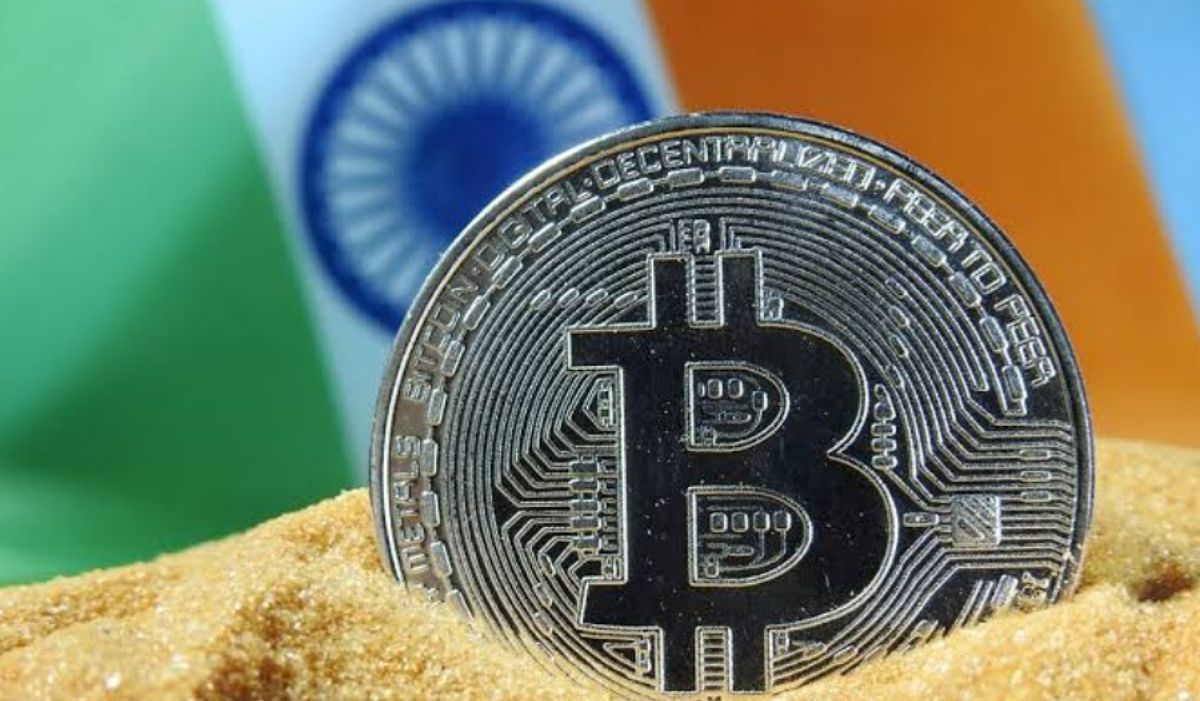
The Indian government has intensified its scrutiny of offshore cryptocurrency platforms, issuing notices to 25 global exchanges accused of violating the country’s anti-money laundering and counter-terrorism financing rules. The action, announced by the Union Finance Ministry through the Financial Intelligence Unit-India (FIU-IND), highlights growing pressure on overseas players to comply with domestic regulations if they wish to continue servicing Indian customers.
The FIU-IND confirmed that the notices were sent under Section 13 of the Prevention of Money Laundering Act (PMLA) of 2002. These platforms were found to be operating without registering with Indian authorities, a requirement since 2023 when the government brought crypto-related services under the scope of its anti-money laundering laws. Any company that facilitates crypto-to-fiat conversions, asset storage, transfers, or management must register with FIU-IND and adhere to strict record-keeping and reporting standards.
Prominent names on the list include CEX.IO of the U.S. and U.K., LBank of the British Virgin Islands, Hong Kong-based CoinEx and Changelly, Saint Lucia’s PrimeXBT, Seychelles-based BitMEX, Poloniex from Boston, Liechtenstein’s LCX, and Cambodia’s Huione. Together, these exchanges account for billions of dollars in user holdings, with CoinMarketCap data showing that 14 of them alone recorded $20 billion in trading activity within just 24 hours.
In addition to the notices, the FIU has instructed these entities to take down their websites and applications in India. While the directive aims to limit public access, several platforms remained operational in the country at the time of the announcement.
CEX.IO was among the few to respond publicly. Its Head of Financial Crime, Mark Taylor, confirmed the company was preparing a formal reply and assessing how best to align with India’s compliance framework. He emphasized that the firm intends to complete necessary registrations to ensure uninterrupted access for Indian users. Other platforms named in the crackdown, including LBank, BingX, and ProBit Global, have so far remained silent.
The government also used the occasion to issue a warning to the public, reminding users that crypto assets and NFTs remain unregulated in India and can pose significant financial risks. Without regulatory recourse, investors stand vulnerable to losses when trading on unauthorized platforms.
Despite the enforcement action, India continues to emerge as one of the largest crypto markets globally. According to FIU data, 50 virtual digital asset service providers are already registered and operating under the new framework. Industry giants like Binance and Coinbase, which were previously flagged, have since completed their registrations and re-entered the market.
With this latest crackdown, authorities have underscored that any platform serving Indian traders must comply with domestic rules, regardless of where it is headquartered. The move not only strengthens oversight but also signals India’s determination to assert tighter control over the fast-growing digital asset sector.