U.S. Report: Naira Devaluation Wipes Out Gains of Nigeria’s New N70,000 Minimum Wage

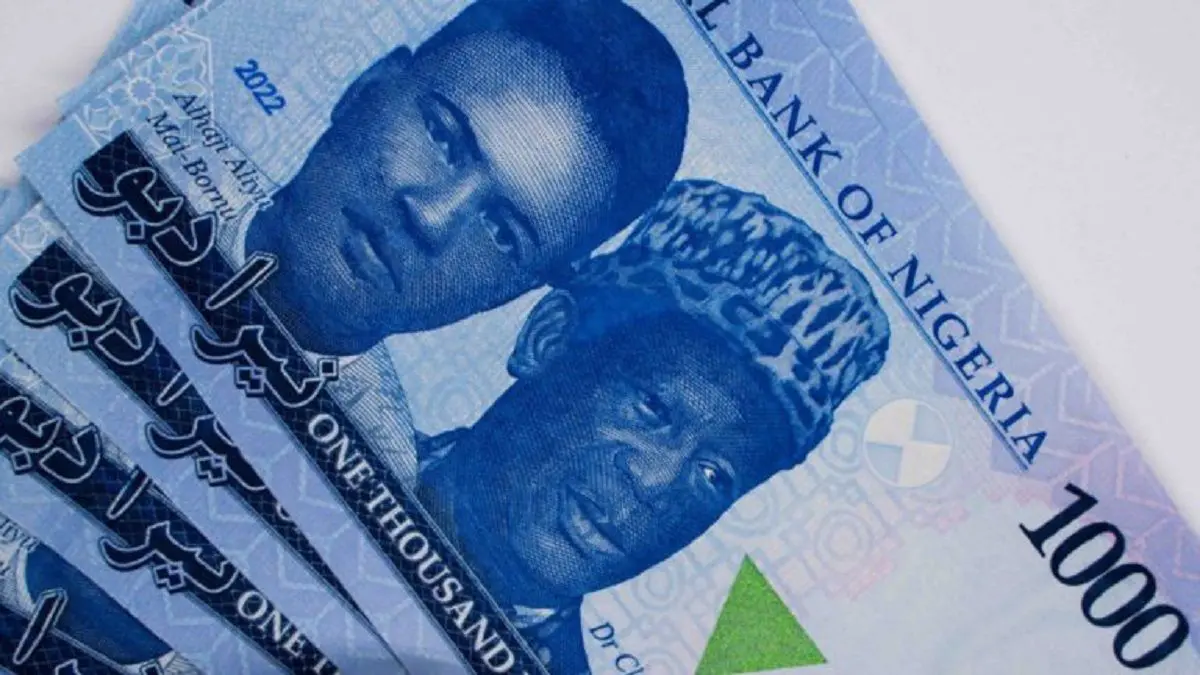
The United States government has observed that Nigeria’s new minimum wage of N70,000 has lost its real value due to the naira’s depreciation, making it insufficient to pull workers out of poverty.
In its 2024 Country Reports on Human Rights Practices, the U.S. noted that the wage, equivalent to $47.90 per month, is barely enforced across the country.
It added that some state governments refuse to comply with the law on the grounds of financial strain, while a shortage of labour inspectors undermines enforcement.
“The National Minimum Wage (Amendment) Act 2024 doubled the minimum wage to 70,000 naira ($47.90) per month. Despite the increase, currency devaluation meant the minimum wage was no longer higher than the poverty income level.
“Many employers had fewer than 25 employees, so most workers were not covered. Some states declined to implement the minimum wage law, citing financial constraints,” the report stated.
The report highlighted that 70–80% of Nigeria’s workforce is engaged in informal employment, where compliance with wage and hour laws is rare.
It also pointed out gaps in labour rights, noting restrictions on union registration, collective bargaining, and strikes. For instance, collective agreements must be cleared by the National Salaries, Income, and Wages Commission before they become binding.
Furthermore, the report emphasised that penalties for violations of wage and labour laws are weak, not comparable to crimes like fraud, and are rarely enforced.